PTA approved vs non-PTA vs patched phones: what you actually get
Three phones can look identical and still behave very differently on a Pakistani SIM. Here is what PTA approved, non-PTA and patched really mean, and which one is worth your money.
Mobile Sahab · 6 min read
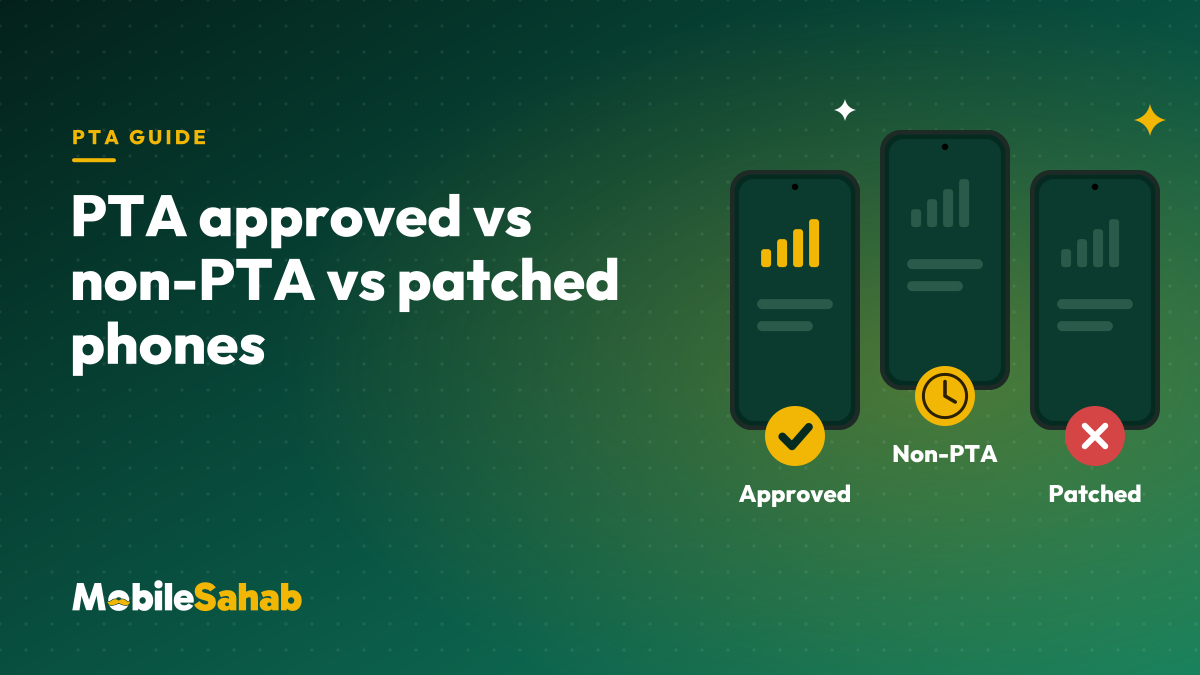
A PTA approved, a non-PTA and a “patched” phone can come out of identical boxes and look the same in your hand. The difference shows up later: on your SIM, at the service centre, and on the day you try to sell it. This is PTA approved vs non-PTA vs patched in plain words, based on PTA’s own DIRBS rules. Mobile Sahab ka short answer: buy approved, register a non-PTA phone properly, and never touch a patched one.
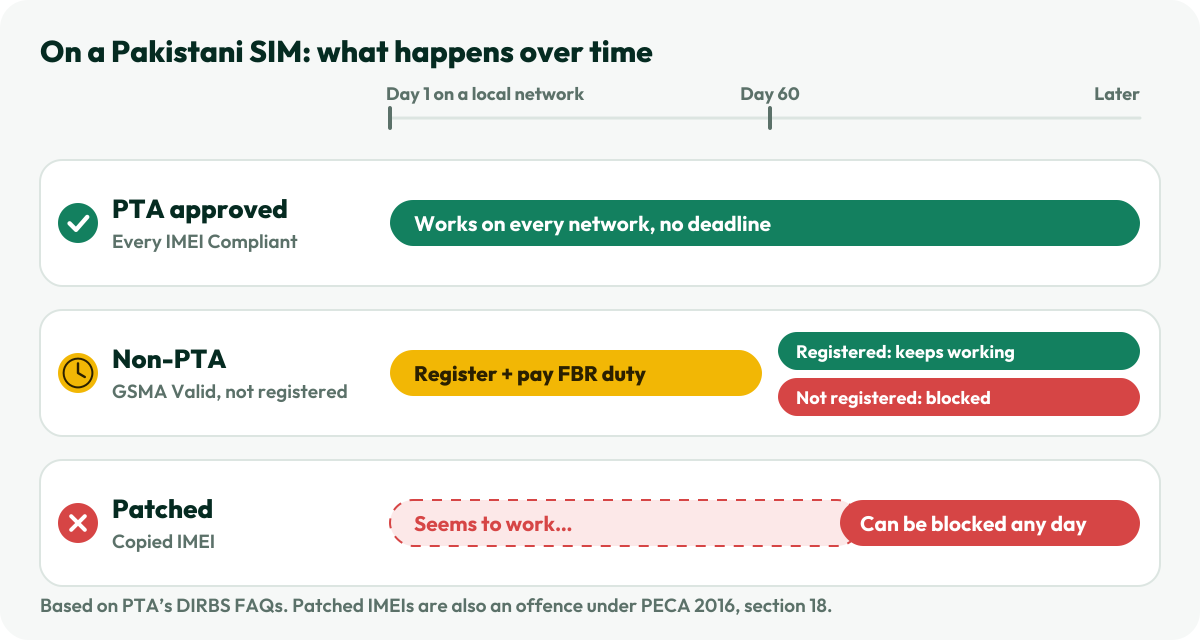
Same day one, three very different futures.
What “PTA approved” actually means
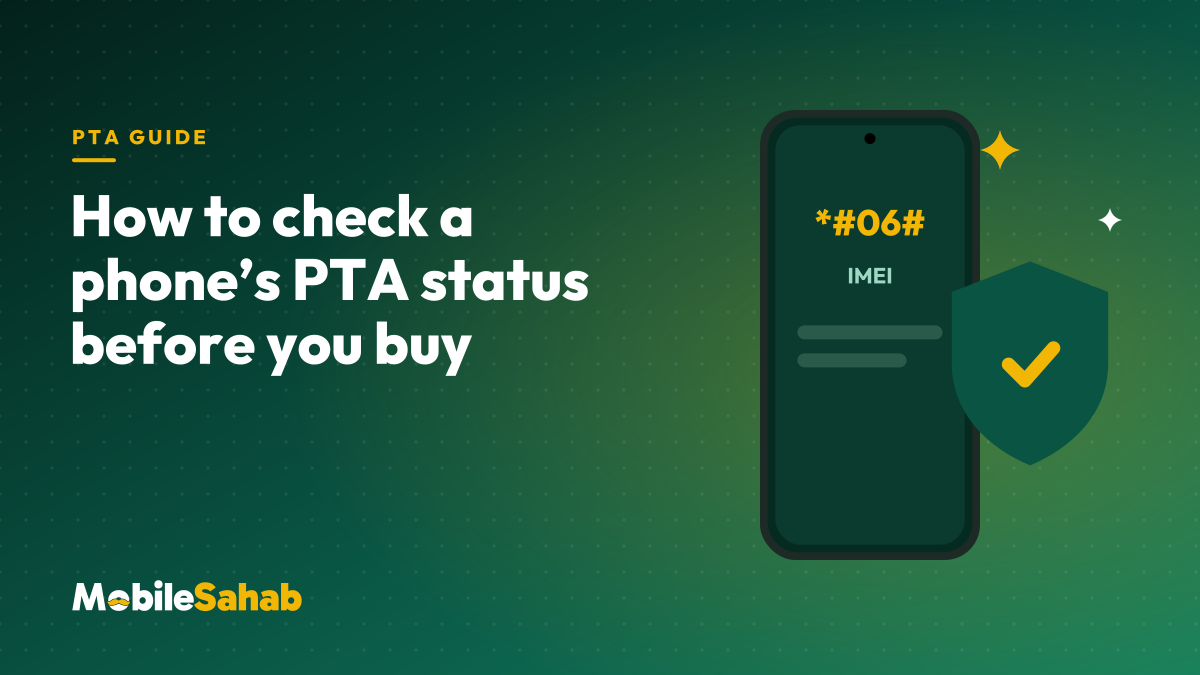
Every phone used on a Pakistani mobile network is identified by its IMEI, and PTA keeps the list of IMEIs that are allowed through its DIRBS system. A phone is PTA approved when PTA’s reply for every one of its IMEIs says Compliant. You can check that yourself in two minutes: dial *#06# and send each IMEI to 8484, as shown in our PTA status guide.
A phone can get there in two ways:
Official stock. The brand or its authorised distributor imports the phone (or assembles it here) and pays the duties up front. These phones come with the brand’s official local warranty.
Individual registration. Someone brings a phone from abroad, registers it with PTA and pays the FBR duty. PTA’s reply can then mention that the phone is registered against a CNIC or passport. It is legal and works fine, but it usually has no local brand warranty.
Every phone in our PTA-approved mobiles range is the first kind: new, box-packed and with official warranty. We check each IMEI on DIRBS before dispatch.
Non-PTA phones: the 60-day clock
A non-PTA phone has a genuine IMEI that PTA lists as GSMA Valid: real, but not registered and with duties unpaid. It works with a local SIM for now. According to PTA’s DIRBS FAQs, you then have 60 days from first use on a local network to register it and pay the duty. If you don’t, the phone is blocked on Pakistani networks. Wi-Fi, apps and the camera keep working; calls and mobile data with a local SIM don’t.
Registering is a normal, legal process:
Register online through PTA’s DIRBS portal, by dialling *8484#, or at a mobile operator’s franchise.
You get a PSID (payment slip ID), valid for 7 days, and pay it at a bank.
Once FBR confirms the payment, the phone is unblocked or stays working.
PTA allows an individual to register up to five phones per calendar year. The duty is set by FBR and depends on the phone, so check today’s figure on FBR’s DIRBS page before you compare prices. A non-PTA phone is cheaper partly because that duty is still waiting to be paid, by you.
eSIM and dual-SIM phones: every IMEI counts
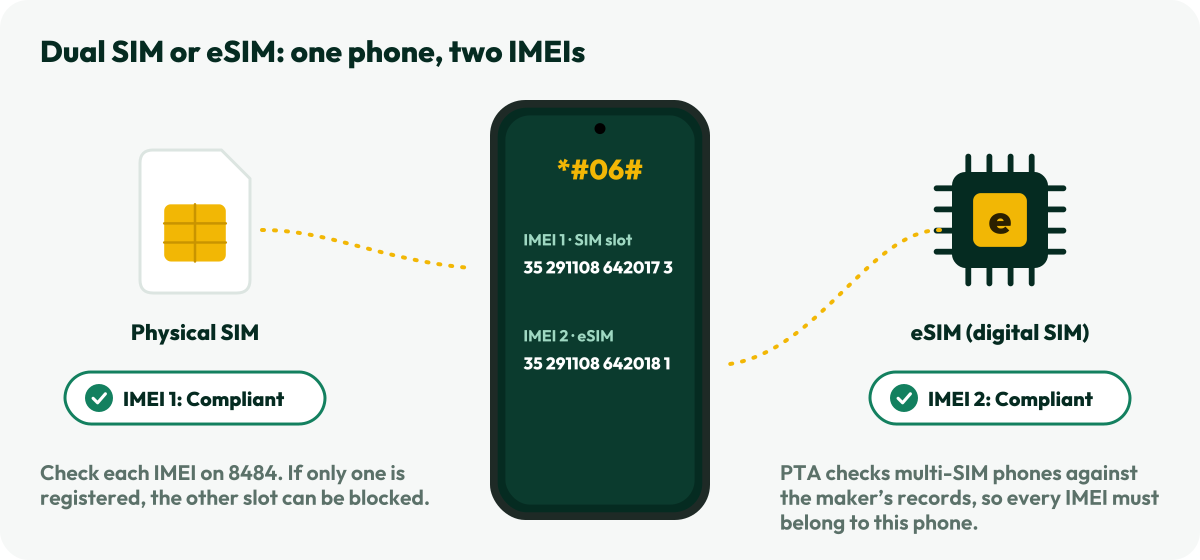
Dual-SIM and eSIM phones have more than one IMEI, and PTA says all of them must be registered. iPhones, for example, have one IMEI for the physical SIM and a second, digital one for the eSIM. *#06# shows both.
Two IMEIs, two checks. Both should come back Compliant.
PTA also runs a multi-SIM check against the manufacturer’s records, so every IMEI must genuinely belong to the same phone. If one slot works and the other doesn’t, PTA has a complaint category for exactly that (one slot compliant, one non-compliant) on its complaint system. It verifies with the maker and states it resolves these within 7 working days.
“Patched” phones: why the cheap deal costs the most
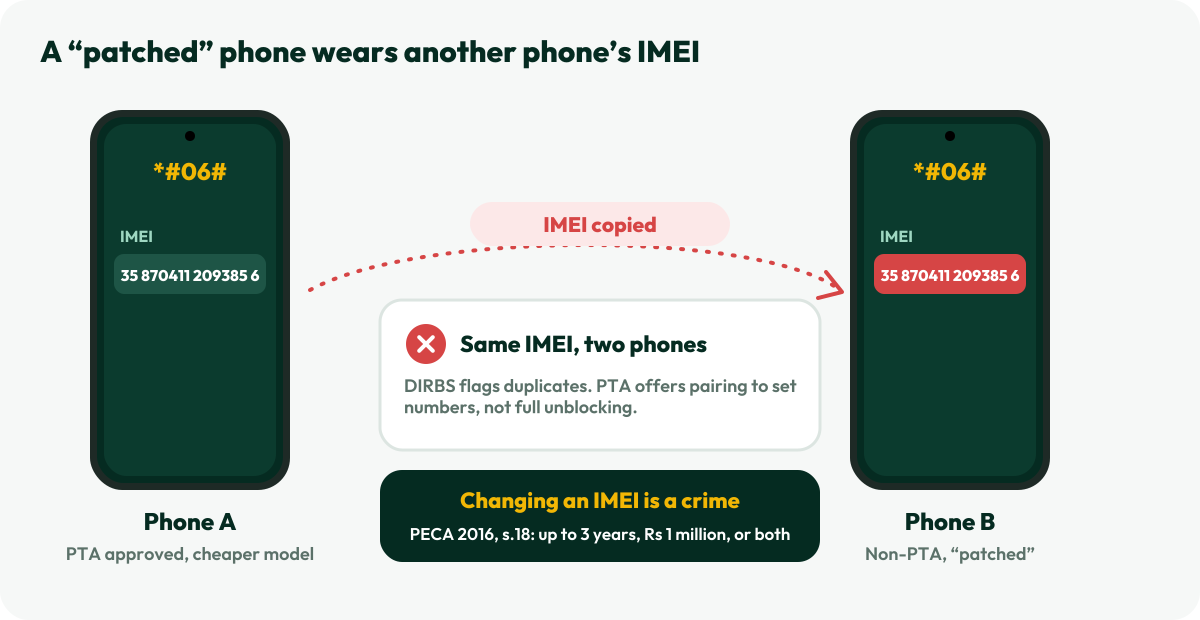
In the market, a “patched” or “PTA patch” phone is usually a non-PTA phone whose IMEI has been rewritten to copy an IMEI that is already approved, often one taken from a cheaper phone. The 8484 reply may even say Compliant, because it is checking the borrowed number.
The patch only moves the problem: now two phones share one identity.
Three things make this a bad deal:
It is a crime. Section 18 of the Prevention of Electronic Crimes Act 2016 punishes changing or re-programming a phone’s unique device identifier and then using or marketing it: up to three years in prison, a fine of up to Rs 1 million, or both. PTA has publicly warned users of tampered phones, and joint raids on shops have seized cloned and patched handsets.
It can be blocked. DIRBS treats one IMEI on two phones as a duplicate. For cloned and duplicate IMEIs, PTA’s FAQs say unblocking for all SIMs isn’t available; at most the IMEI can be paired with specific numbers after the maker verifies the phone.
No official warranty. A patched phone was never sold officially here, and brand warranties exclude tampered phones. Samsung Pakistan’s warranty, for one, excludes phones whose serial number has been altered.
PTA approved vs non-PTA vs patched, side by side
PTA approved
Non-PTA
Patched
Local SIM
Works, for every IMEI
Works until day 60 unless registered
Works until the duplicate is caught
Blocking risk
None if every IMEI is Compliant
Blocked if not registered in time
Can be blocked at any time
Official warranty
Yes, on official units
Usually none in Pakistan
No
Resale
Easiest: the buyer checks 8484 and sees Compliant
Harder: the next buyer inherits the duty
Selling it means marketing a tampered phone
Legal status
Clean
Legal once registered
An offence under PECA 2016
Resale is where approval quietly pays you back. Every careful buyer will run the same 8484 check you did, and a Compliant reply for the right model makes the sale simple.
Which one should you buy?
For most people, an official-stock PTA-approved phone is the simplest choice: one price, local warranty, nothing to register later. If a non-PTA phone comes to you as a gift from abroad, register it through DIRBS within the 60 days and keep the PSID receipt. If someone offers you a patched phone at any price, the answer is no.
Yes. PTA’s block applies to Pakistani mobile networks, so Wi-Fi, apps and the camera keep working. You just can’t use a local SIM for calls, SMS or mobile data once the phone is blocked.
Can I make a non-PTA phone PTA approved later?
Yes, if its status is GSMA Valid. Register it through the DIRBS portal, *8484# or a franchise, and pay the FBR duty against the PSID. A phone listed as Non-Compliant can’t be registered.
The 8484 reply says Compliant. Can it still be patched?
Yes. A patch copies an approved IMEI, so read the brand and model in the reply. If they don’t match your phone, or the IMEI on screen doesn’t match the box label, treat it as tampered.
Is every PTA-approved phone covered by official warranty?
No. A phone someone registered individually is PTA approved but usually has no local brand warranty. Ask the seller which kind it is, and see our warranty page for how official warranty works with us.
About Mobile Sahab
MobileSahab is an online phone store in Lahore that sells only new, box-packed, PTA-approved phones and genuine accessories. Our guides come from what we check every day before dispatch: IMEIs on PTA’s DIRBS system, seals and warranty cards, and chargers and cables we test ourselves.
Most phone scams follow the same script, and a few checks break it. Here is when advance payment is fine, how to verify any seller, and what to do if your money goes to the wrong person.
A refurbished phone can look just as shiny as a new one. This ten-minute box-pack phone check, built on the checks we run before dispatch, tells you which one you are holding.